Chinese Calligraphy Art
Traditional Lunar Calendar 🐍 Year of the Snake

Chinese Festivals & Traditions

Your ultimate guide to the living heritage of an ancient civilization. Journey through the lunisolar calendar to explore fascinating mythology, deep-rooted seasonal rituals, and the profound wisdom behind Chinese traditions.

Beyond the widely celebrated Han traditions, this encyclopedia unveils the vibrant tapestry of all 56 ethnic groups—including Tibetan, Mongolian, Hui, and Miao.

Discover the unique histories, festive cuisine, and sacred rituals that define each extraordinary celebration.

Core Cultural Celebrations

Major Traditional Festivals

9 Major Festivities of the Year
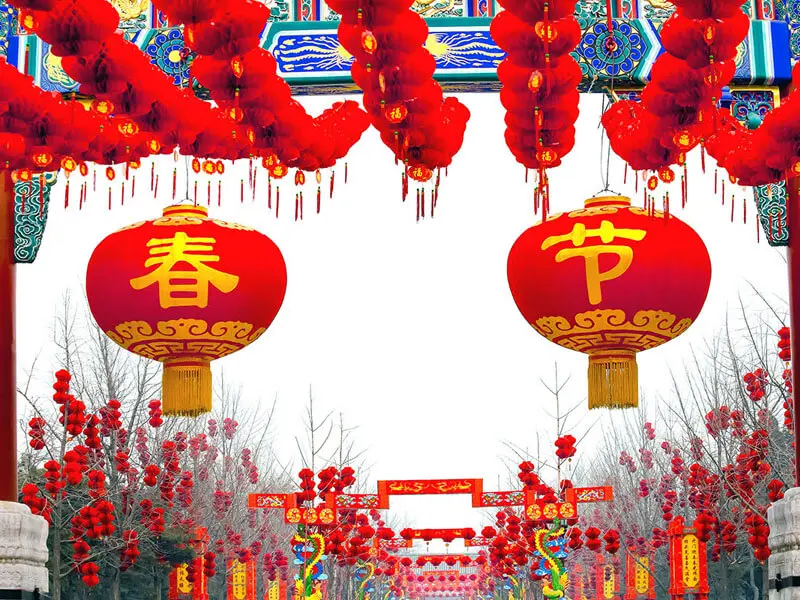
Spring Festival
Lunar New Year

Spring Festival

Lunar Jan 1st

The most magnificent and significant traditional festival, celebrating the beginning of a new year on the lunisolar calendar with family reunions, fireworks, and wishes for prosperity.

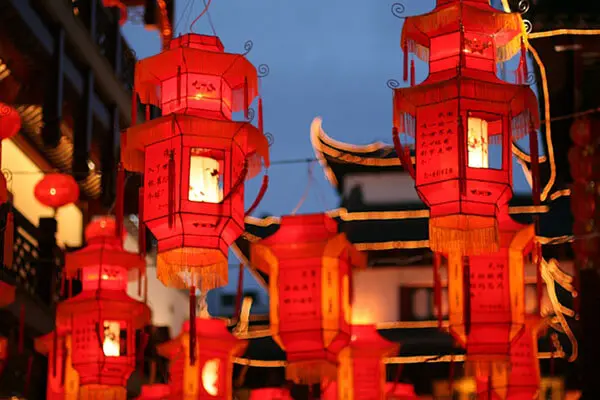
Lantern Festival

Lantern Festival

Marks the grand finale of New Year celebrations, illuminating the first full moon with vibrant paper lanterns and riddles.

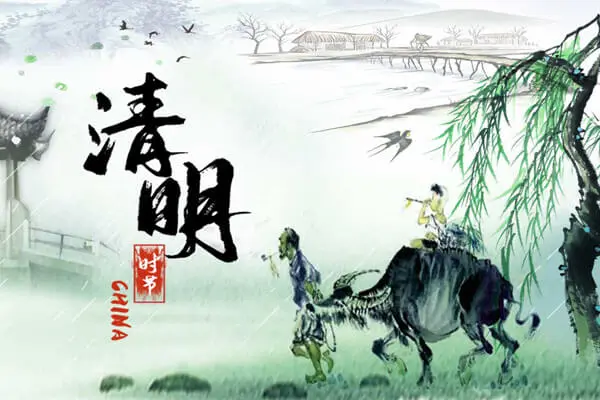
Qingming Festival

Qingming Festival

A time of dual significance: honoring ancestors through tomb-sweeping and embracing the vitality of spring through nature outings.

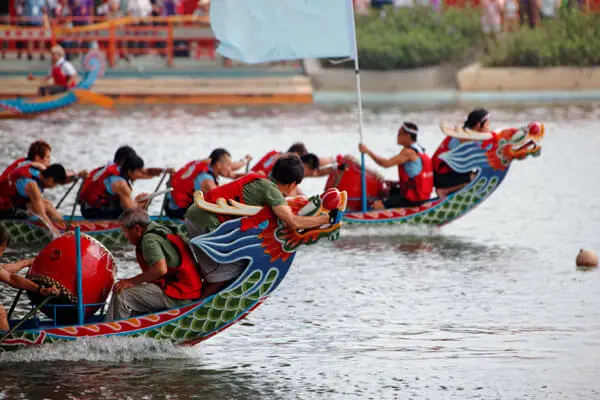
Dragon Boat Festival

Dragon Boat Festival

Commemorates the patriotic poet Qu Yuan with thrilling river races and the sharing of bamboo-wrapped sticky rice dumplings.

Qixi Festival

Qixi Festival

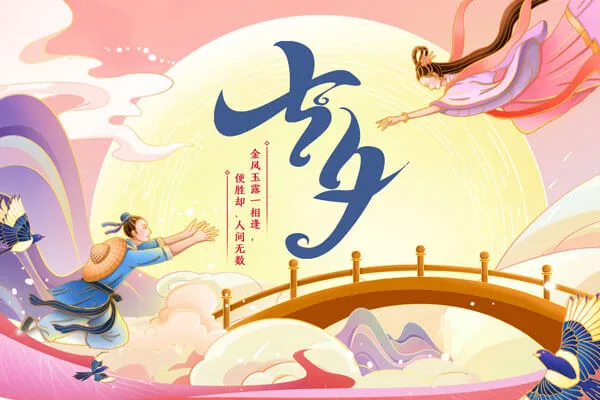
The romantic legend of the Weaver Girl and Cowherd, celebrating love, stargazing, and traditional crafts under the summer sky.

Mid-Autumn Festival

Mid-Autumn Festival

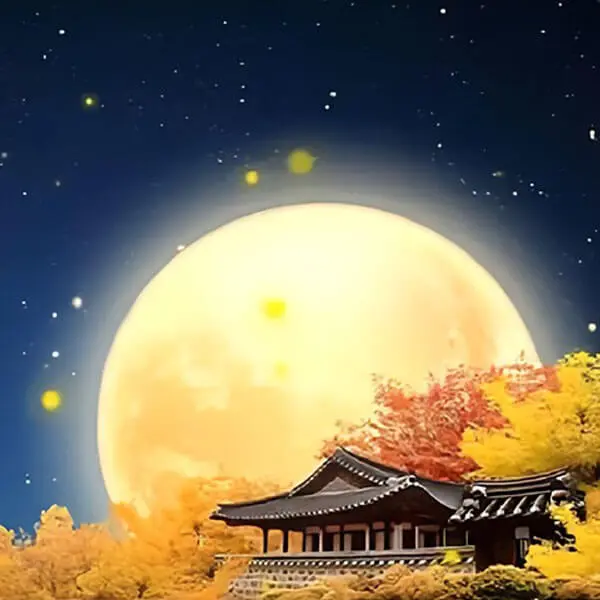
A spectacular harvest festival celebrating family reunion and gratitude. It is deeply marked by admiring the brightest full moon of the year, sharing sweet mooncakes, and lighting colorful paper lanterns.

Double Ninth Festival

Double Ninth Festival

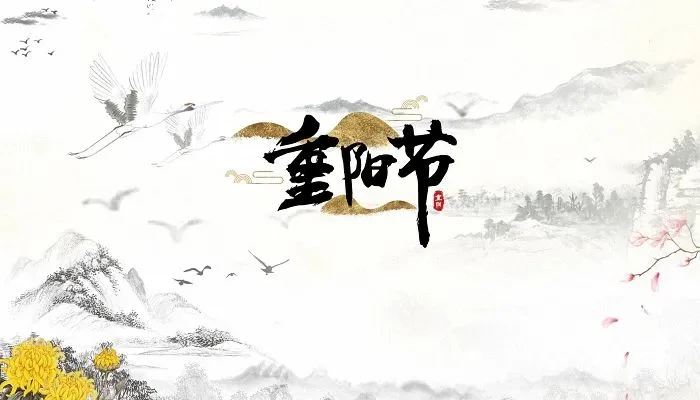
Honoring the elderly, climbing majestic mountains to avoid misfortune, and appreciating autumn chrysanthemums.

Laba Festival

Laba Festival

A heartwarming winter prelude to the New Year, celebrated by slow-cooking multi-grain congee.

Zhongyuan Festival

Zhongyuan Festival

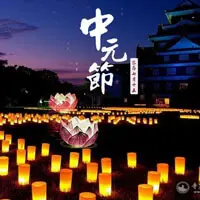
A solemn yet compassionate month to honor wandering spirits, highlighted by floating glowing river lanterns.

Cultural Insights & Frequently Asked Questions

The Philosophy Behind the Traditions

01. Origin of Festivals

Rooted in ancient agrarian rhythms and astronomical observations, traditional festivals (Jieri) evolved as vital temporal markers designed to harmonize human existence with the changing cycles of nature (Tian Ren He Yi).

02. Modern Celebrations

Ancient traditions are experiencing a renaissance. While digital innovations have transformed how communities engage with folklore, the enduring emotional core—family reunion and generational continuity—remains unshakeable.

03. East vs. West

While Western holidays often commemorate linear historical events, Chinese festivals are profoundly cyclical, reflecting an ontological worldview where humanity, nature, and the cosmos operate as a unified continuum.

The four most important traditional Chinese festivals are the Spring Festival (Chinese New Year), Qingming Festival (Tomb-Sweeping Day), Dragon Boat Festival, and Mid-Autumn Festival. These form the cultural pillars of the lunisolar calendar.

Yes. Most traditional Chinese festivals follow the lunar calendar, which is based on the cycles of the moon. When translated to the standard Gregorian (solar) calendar, the exact dates will shift back and forth by a few weeks each year.

The Lunar New Year (Spring Festival) is widely celebrated across America, featuring vibrant parades and dragon dances. The Mid-Autumn Festival is also extremely popular in Asian-American communities, celebrated with lantern displays and sharing mooncakes.

Absolutely! Almost all major Chinese festivals are deeply rooted in ancient history. For example, the Dragon Boat Festival dates back over 2,000 years to the Warring States period, and the Mid-Autumn Festival traces its origins to ancient lunar worship.

Food acts as a medium for blessings and cultural symbolism. Festive dishes are often chosen for their homophonic puns—like eating fish (Yu) for surplus, or dumplings (Jiaozi) for wealth—embodying hopes for prosperity and harmony.

A fun fact is that almost every festival has a highly specific "lucky food" associated with it. You eat Dumplings for New Year, Zongzi (sticky rice wraps) for Dragon Boat, and Mooncakes for Mid-Autumn. It is believed that eating these specific foods brings good fortune!

Ethnic Minority Festivals

Banjin Festival

Banjin Festival

颁金节
The official anniversary and …

Duan Festival (Water New Year)

Duan Festival (Water New Year)

端节
The most important New Year celebration …

Eid al-Fitr (Roza Heyt)

Eid al-Fitr (Roza Heyt)

开斋节 / 肉孜节
A grand, joyous celebration marked by …

Gannian (Early New Year)

Gannian (Early New Year)

土家族赶年
The most distinctive tradition of the …

Harvest Festival (Masaraut)

Harvest Festival (Masaraut)

丰年祭
The most sacred annual ritual of …

Knife Pole Festival (Zaotong)

Knife Pole Festival (Zaotong)

刀杆节
A breathtaking test of courage and faith …

Upcoming Deity Birthdays