Traditional Chinese Festivals

Explore a complete list of the core celebrations in the Chinese lunisolar calendar. From the explosive joy of the Spring Festival to the poetic romance of the Mid-Autumn moon, discover ancient traditions and customs.
A Complete List of Chinese Festivals and Traditions

Welcome to our comprehensive guide to traditional Chinese festivals. Deeply rooted in the ancient lunisolar calendar, these celebrations are the cultural heartbeat of the oriental heritage, blending family reunions, ancestral veneration, and vibrant seasonal traditions.

Whether you are seeking to understand the customs behind the 4 most important Chinese festivals (Spring Festival, Qingming, Dragon Boat, and Mid-Autumn), looking for upcoming festival dates in 2026, or simply exploring the profound history and symbolic foods of these ancient holidays, you will find a curated collection of cultural insights below.
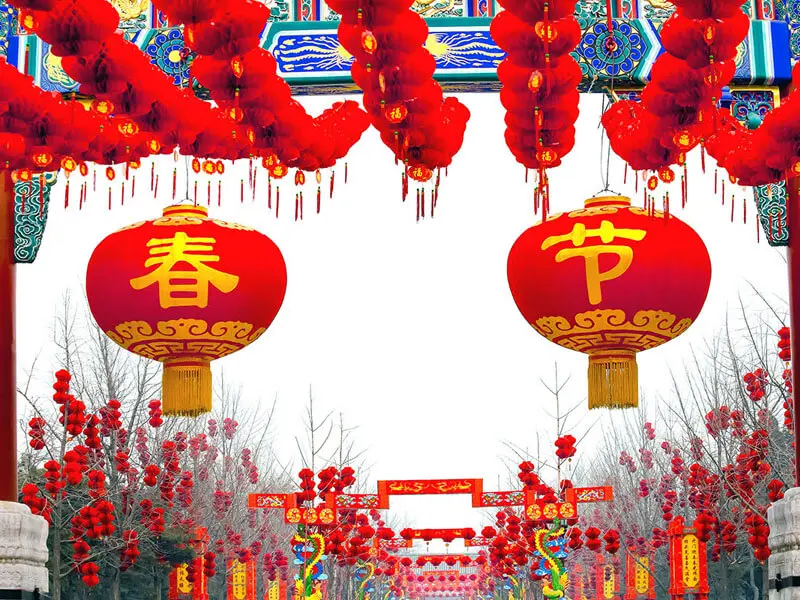
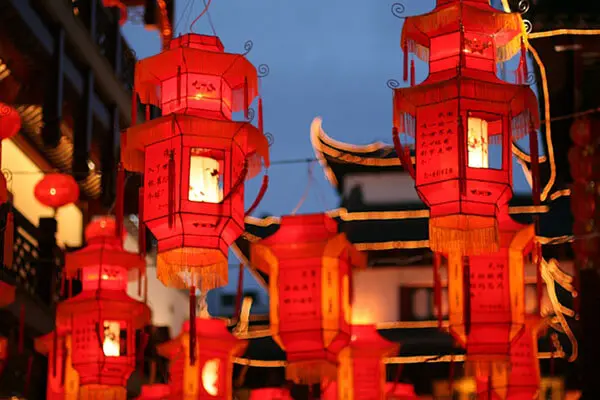
The Spring Festival (Chinese New Year)

The Spring Festival (Chinese New Year)

ๆ˜ฅ่Š‚ / ๅ†œๅކๆ–ฐๅนด

The grandest celebration in Chinese culture, marking the beginning of the lunisolar year through ancestral veneration, family feasts, and vibrant street rituals.

The Lantern Festival

The Lantern Festival

ๅ…ƒๅฎต่Š‚ / ไธŠๅ…ƒ่Š‚

The luminous grand finale of the lunar new year, celebrated under the first full moon with spectacular lantern displays, riddles, and sweet glutinous rice balls.

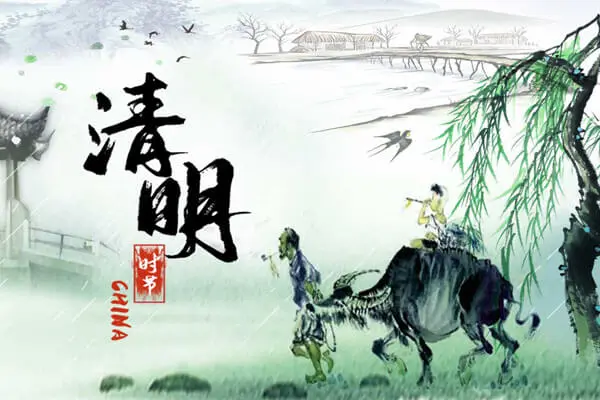
Qingming Festival (Tomb Sweeping Day)

Qingming Festival (Tomb Sweeping Day)

ๆธ…ๆ˜Ž่Š‚ / ่ธ้’่Š‚

A solemn yet refreshing festival where families venerate deceased ancestors at gravesites while embracing the warm arrival of spring outdoors.

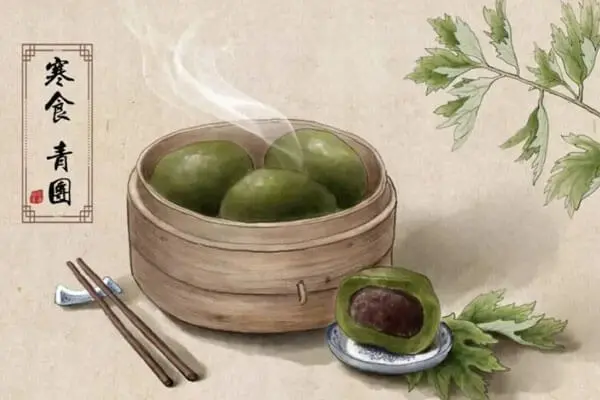
Cold Food Festival (Hanshi)

Cold Food Festival (Hanshi)

ๅฏ’้ฃŸ่Š‚ / ็ฆ็ƒŸ่Š‚

An ancient spring festival commemorating the loyalty of Jie Zitui, observed by extinguishing all fires and consuming only cold, pre-cooked foods for one day.

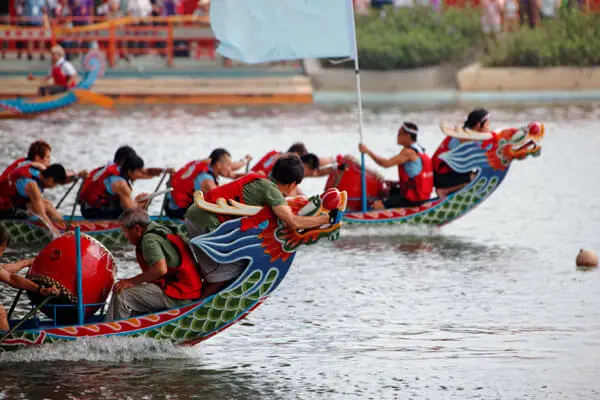
Dragon Boat Festival (Duanwu)

Dragon Boat Festival (Duanwu)

็ซฏๅˆ่Š‚ / ้‡ไบ”่Š‚

An energetic summer festival combining the fierce athleticism of dragon boat racing with ancient rituals of warding off summer diseases and evil spirits.

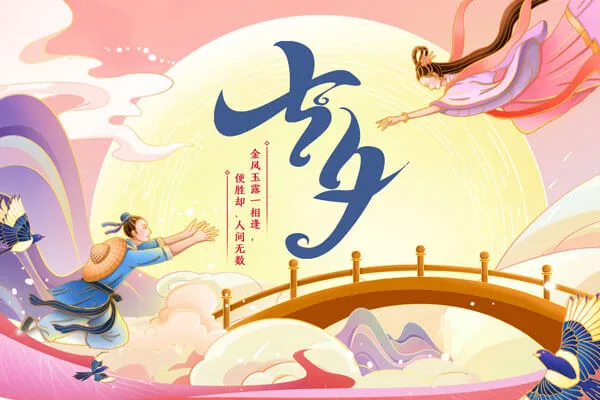
Qixi Festival (Double Seventh Festival)

Qixi Festival (Double Seventh Festival)

ไธƒๅค•่Š‚ / ไนžๅทง่Š‚

Known as the Chinese Valentine's Day, Qixi celebrates the romantic cosmic myth of the Cowherd and Weaver Girl, while women historically prayed for domestic skills and wisdom.

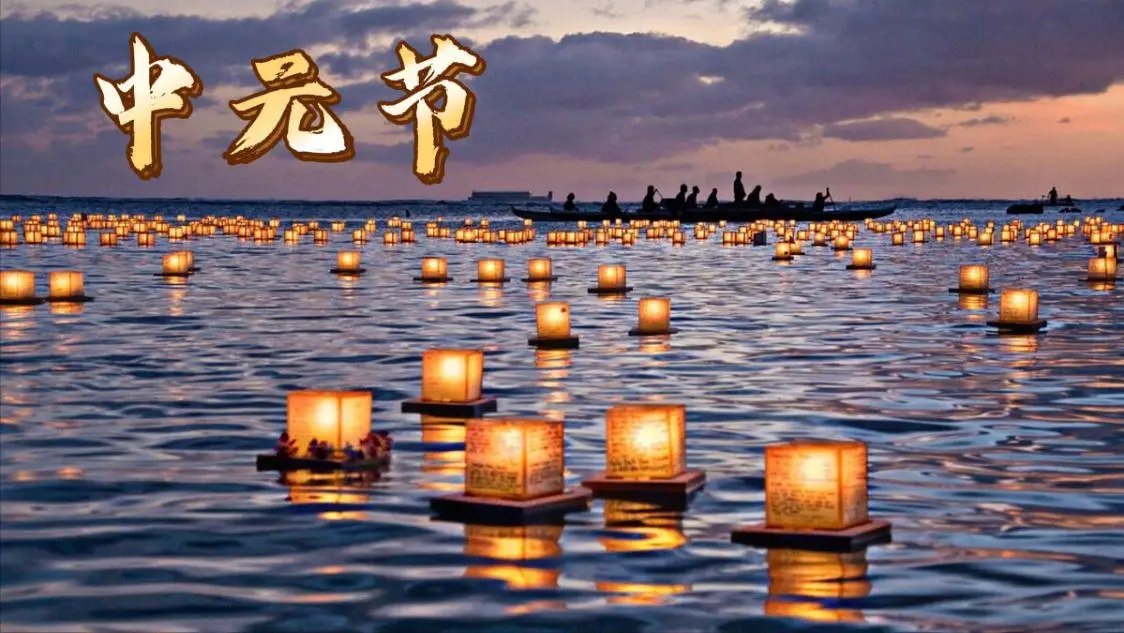
Zhongyuan Festival (Ghost Festival)

Zhongyuan Festival (Ghost Festival)

ไธญๅ…ƒ่Š‚ / ็›‚ๅ…ฐ็›†่Š‚

A solemn yet compassionate festival dedicated to honoring deceased ancestors and wandering spirits through elaborate offerings and glowing water lanterns.

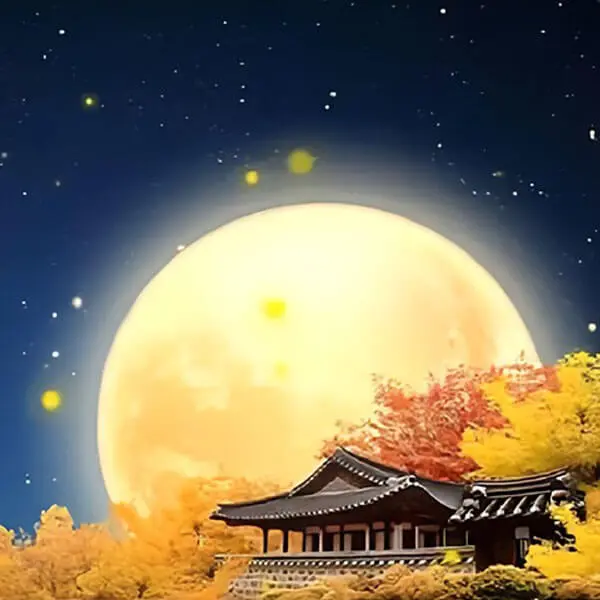
Mid-Autumn Festival

Mid-Autumn Festival

ไธญ็ง‹่Š‚ / ไปฒ็ง‹่Š‚

The quintessential harvest and reunion festival of the lunar calendar, celebrated at the autumn equinox peak with family full-moon banquets, mooncakes, and poetic romance.

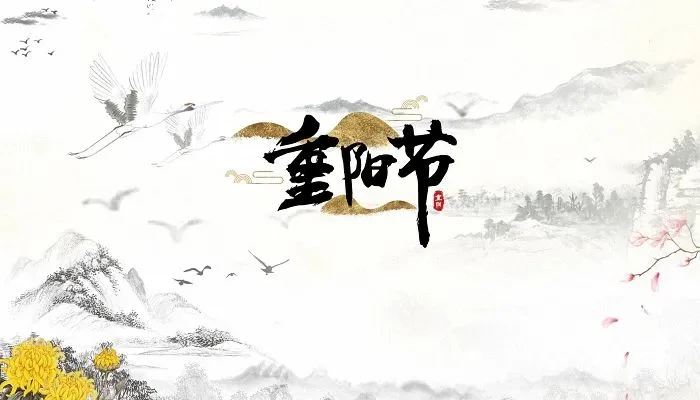
Double Ninth Festival (Chongyang)

Double Ninth Festival (Chongyang)

้‡้˜ณ่Š‚ / ็™ป้ซ˜่Š‚

An autumn festival characterized by mountain climbing, drinking chrysanthemum wine, and expressing deep reverence and care for the elderly.

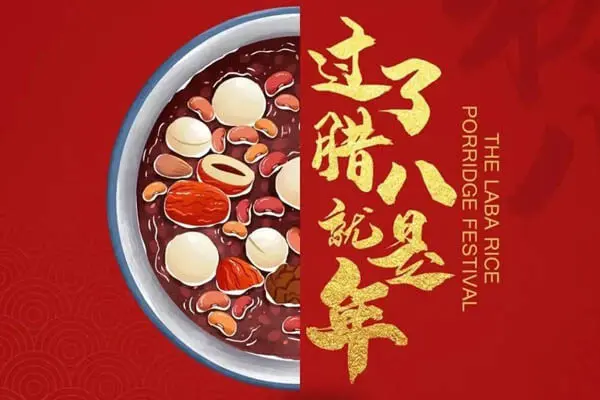
Laba Festival

Laba Festival

่…Šๅ…ซ่Š‚

The culinary and spiritual prelude to the Chinese New Year, celebrated in the freezing winter by cooking rich, multi-grain Laba porridge to pray for a bountiful harvest.

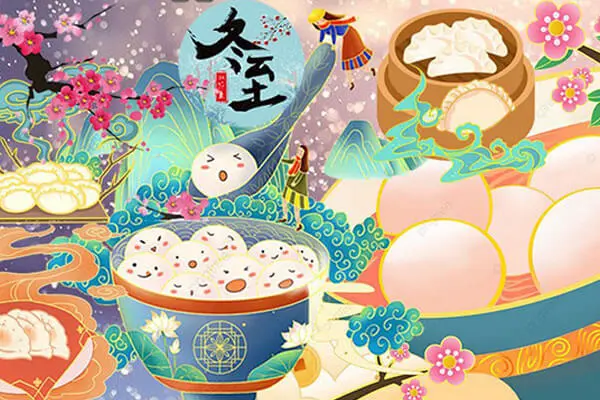
Winter Solstice (Dongzhi)

Winter Solstice (Dongzhi)

ๅ†ฌ่‡ณ / ๅ†ฌ่Š‚

The shortest day and longest night of the year, celebrated as the cosmic turning point where Yang energy begins its return, marked by family gatherings and warming seasonal foods.

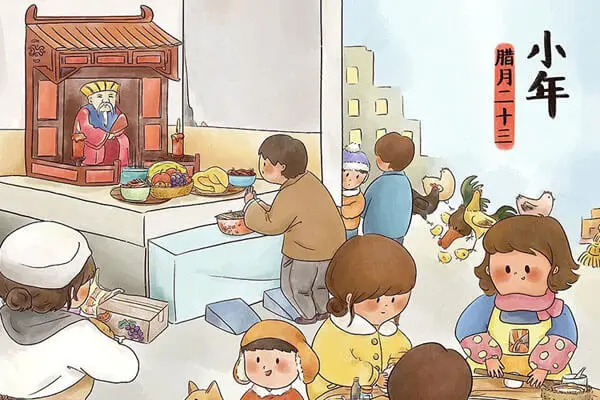
Little New Year (Festival of the Kitchen God)

Little New Year (Festival of the Kitchen God)

ๅฐๅนด / ็ฅญ็ถ่Š‚

The spiritual prelude to the Spring Festival, dedicated to honoring the Kitchen God and commencing the thorough house-cleaning rituals that sweep away the old year's dust.

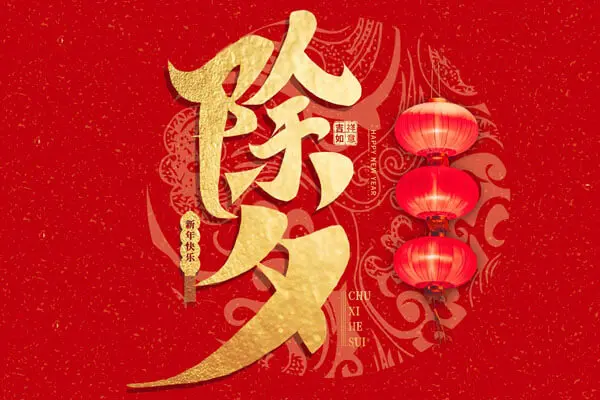
Chinese New Year's Eve

Chinese New Year's Eve

้™คๅค• / ๅคงๅนดๅคœ

The climactic final night of the lunar year, defined by the grand reunion dinner, all-night vigil, and explosive rituals to banish the old and welcome the new.

๐Ÿฎ Cultural Pillars

Discover the underlying philosophy and traditions connecting these magnificent festivals.

The Lunisolar Calendar

Unlike the Gregorian calendar, traditional Chinese festivals follow the cycles of the moon, meaning their dates shift slightly every year.

Read the Guide